Every year, the Friday after Thanksgiving in the United States is marked as “Black Friday” – a day filled with massive sales, discounts, and deals. This tradition has a long history dating back to the 19th century, where retailers used to mark their financial records in red for losses and black for profits. This term was then popularized in the 1960s when the Philadelphia police used it to describe the heavy traffic and crowds on this day. Since then, Black Friday has become a cultural phenomenon, not only in the US but also around the world.
In recent years, Black Friday has made its mark in Nepal, reflecting the influence of global trends on the country’s consumer culture. It has become a highly anticipated event for both retailers and consumers alike. Retailers offer massive discounts and promotions to attract customers, while consumers flock to stores to take advantage of the deals. This has led to a significant increase in consumer spending and has greatly impacted the retail industry in Nepal.
The impact of Black Friday on Nepali retailers is evident in the increase in sales and revenue during this time. Many businesses rely on this day to make a large portion of their yearly profits. It also allows smaller businesses to compete with larger retailers, as they too can offer attractive deals to draw in customers. However, the steep discounts and promotions can also have a negative impact on retailers’ profit margins, making it a risky day for businesses.
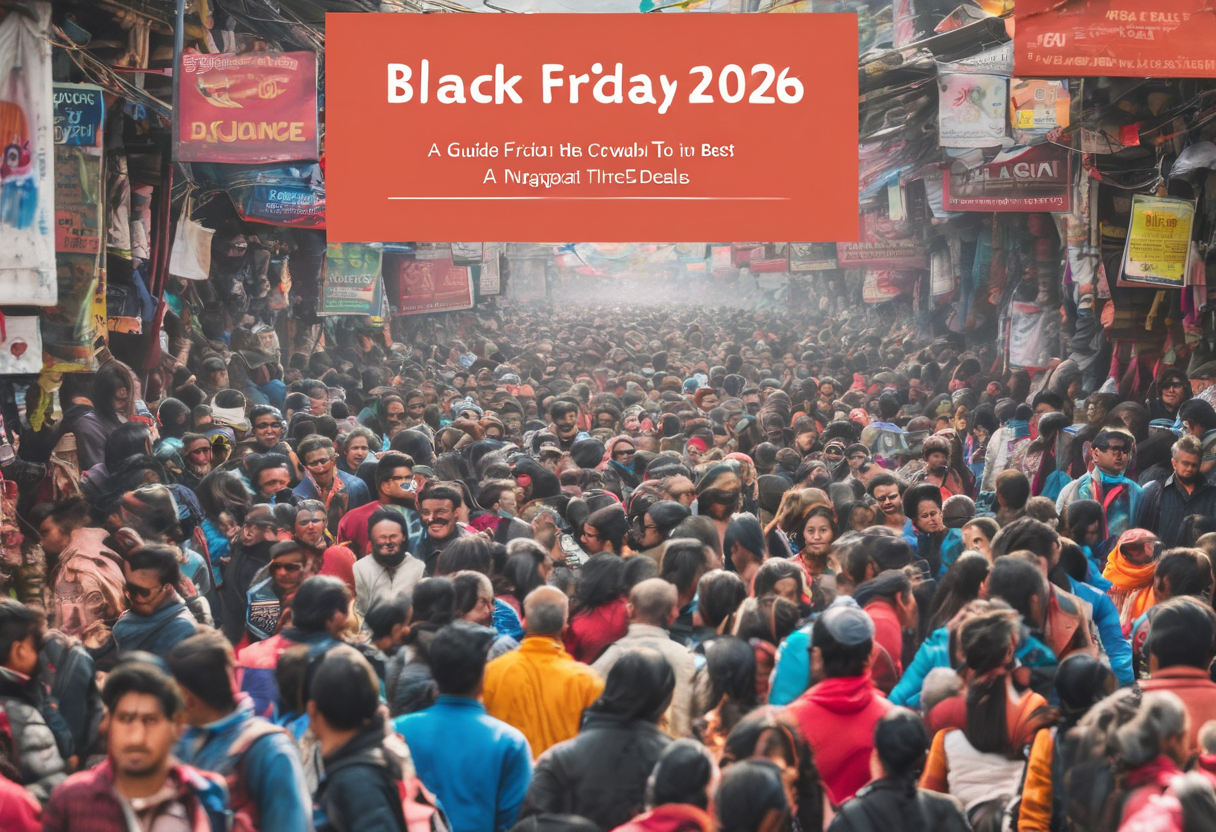
On the other hand, consumers in Nepal see Black Friday as an opportunity to purchase items at a lower cost. With the economic growth of the country, the demand for consumer goods has increased, making Black Friday an ideal time for many to fulfill their shopping needs. However, this has also led to a phenomenon known as “Black Friday fever,” where people overspend and accumulate debt, leading to financial strain. Additionally, the increased demand during this time also puts pressure on retailers, leading to long queues and overcrowding in stores.
In conclusion, the history and impact of Black Friday in Nepal cannot be ignored. It has become an integral part of the country’s retail industry and consumer culture. Its cultural significance continues to grow, with retailers and consumers alike eagerly anticipating its arrival every year. However, it is essential to practice responsible spending and avoid overspending during this time for the sake of both retailers